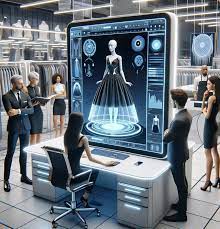
The fashion industry is undergoing a revolutionary transformation, driven by cutting-edge technologies like Artificial Intelligence (AI) and Augmented Reality (AR). By 2025, these tools are no longer experimental—they are central to how designers create, brands market, and consumers shop. From hyper-personalized clothing recommendations to virtual try-ons, AI and AR are bridging the gap between creativity and technology, redefining what fashion means in the modern era.
Interestingly, even industries unrelated to fashion, such as online gaming and entertainment platforms like Togelslot88, are observing similar tech adoption trends, proving that AI and AR innovations are impacting multiple sectors simultaneously.
AI: Crafting Personalized Fashion Experiences
Artificial Intelligence has become a game-changer for fashion designers and retailers alike. Its applications span across multiple domains:
1. Personalized Recommendations
AI algorithms can analyze individual preferences, previous purchases, and browsing patterns to suggest tailored outfits. This not only increases customer satisfaction but also drives higher conversion rates for brands.
2. Predictive Trend Analysis
By analyzing social media, runway shows, and e-commerce data, AI can forecast upcoming fashion trends. Brands can respond faster, launching collections that match consumer demand before trends go mainstream.
3. Design Automation
AI-assisted design tools allow designers to experiment with fabrics, colors, and patterns digitally. This reduces trial-and-error costs and enables the creation of unique, personalized fashion pieces at unprecedented speeds.
These AI-driven capabilities empower both luxury brands and emerging startups to deliver customized experiences while maintaining efficiency.
AR: Bringing Fashion to Life
While AI focuses on personalization, Augmented Reality is revolutionizing the way consumers interact with fashion products. AR transforms digital experiences into interactive, immersive environments.
1. Virtual Try-Ons
With AR-powered apps, shoppers can virtually try on clothes, shoes, and accessories using their smartphones or smart mirrors. This reduces the uncertainty of online shopping, minimizing returns and enhancing customer confidence.
2. Interactive Storefronts
Retailers are implementing AR displays that allow consumers to explore collections through digital interfaces. From seeing how a jacket looks in different lighting to combining outfits digitally, AR enriches the shopping journey.
3. Gamification of Fashion
AR introduces playful, game-like experiences into fashion. Customers can unlock exclusive designs, participate in virtual fashion shows, or earn rewards—similar to how platforms like Togelslot88 gamify engagement in online gaming, showing the cross-industry influence of immersive tech.
AI and AR in Sustainable Fashion
Sustainability is a major concern in fashion, and AI and AR contribute solutions.
-
AI-driven material selection helps brands choose eco-friendly fabrics, minimizing waste.
-
Virtual fashion shows and AR catalogs reduce the need for physical samples, lowering carbon footprints.
-
Digital garment trials mean fewer returns and less overproduction, helping retailers meet sustainability goals.
By integrating technology into every stage of production and retail, fashion companies can achieve eco-conscious operations without sacrificing style or creativity.
The Consumer Perspective
For consumers, AI and AR mean convenience, personalization, and entertainment. Shoppers can explore digital wardrobes, mix and match outfits, and even get AI-generated style advice. The integration of AR makes the experience interactive and engaging, offering a level of immersion previously only available in physical stores.
Interestingly, industries like online gaming, as seen with Togelslot88, leverage similar psychological engagement techniques, showing how digital interactivity can enhance consumer satisfaction and loyalty. This cross-industry approach is shaping expectations for 2025 and beyond.
Challenges and Ethical Considerations
Despite its advantages, AI and AR in fashion face challenges:
-
Privacy Concerns – AI collects personal data for recommendations, raising questions about how this information is stored and used.
-
Digital Divide – Not all consumers have access to AR-enabled devices, creating gaps in accessibility.
-
Creative Authenticity – As AI-assisted design grows, the balance between human creativity and algorithmic input becomes a critical conversation.
Fashion brands must address these challenges responsibly to ensure that technological innovation remains inclusive and ethical.
Looking Ahead: Fashion in 2025 and Beyond
By 2025, AI and AR are expected to be fully integrated into fashion ecosystems. We will see:
-
AI-curated wardrobes where the entire shopping experience is tailored to the individual.
-
AR-powered social fashion platforms, enabling digital fashion shows, shared virtual closets, and interactive community engagement.
-
Cross-industry collaborations with gaming, entertainment, and social media platforms, taking inspiration from models like Togelslot88 to enhance user engagement.
Fashion is moving toward a future where creativity, technology, and consumer interaction blend seamlessly. The traditional boundaries between physical and digital fashion are dissolving, creating a new paradigm for style and expression.
The convergence of AI and AR is redefining fashion in 2025. From hyper-personalized shopping to immersive virtual experiences, these technologies empower brands and consumers alike. By integrating innovation with sustainability, creativity, and interactivity, the fashion industry is not just evolving—it is being reinvented.
Even outside fashion, the influence of AI and AR can be seen in platforms like Togelslot88, demonstrating how immersive, data-driven experiences are reshaping multiple industries. As technology continues to advance, the possibilities for fashion—and how we experience it—are virtually limitless.
Also Read: Susah Tidur Nyenyak? Coba 6 Tips Pola Tidur Sehat Ini